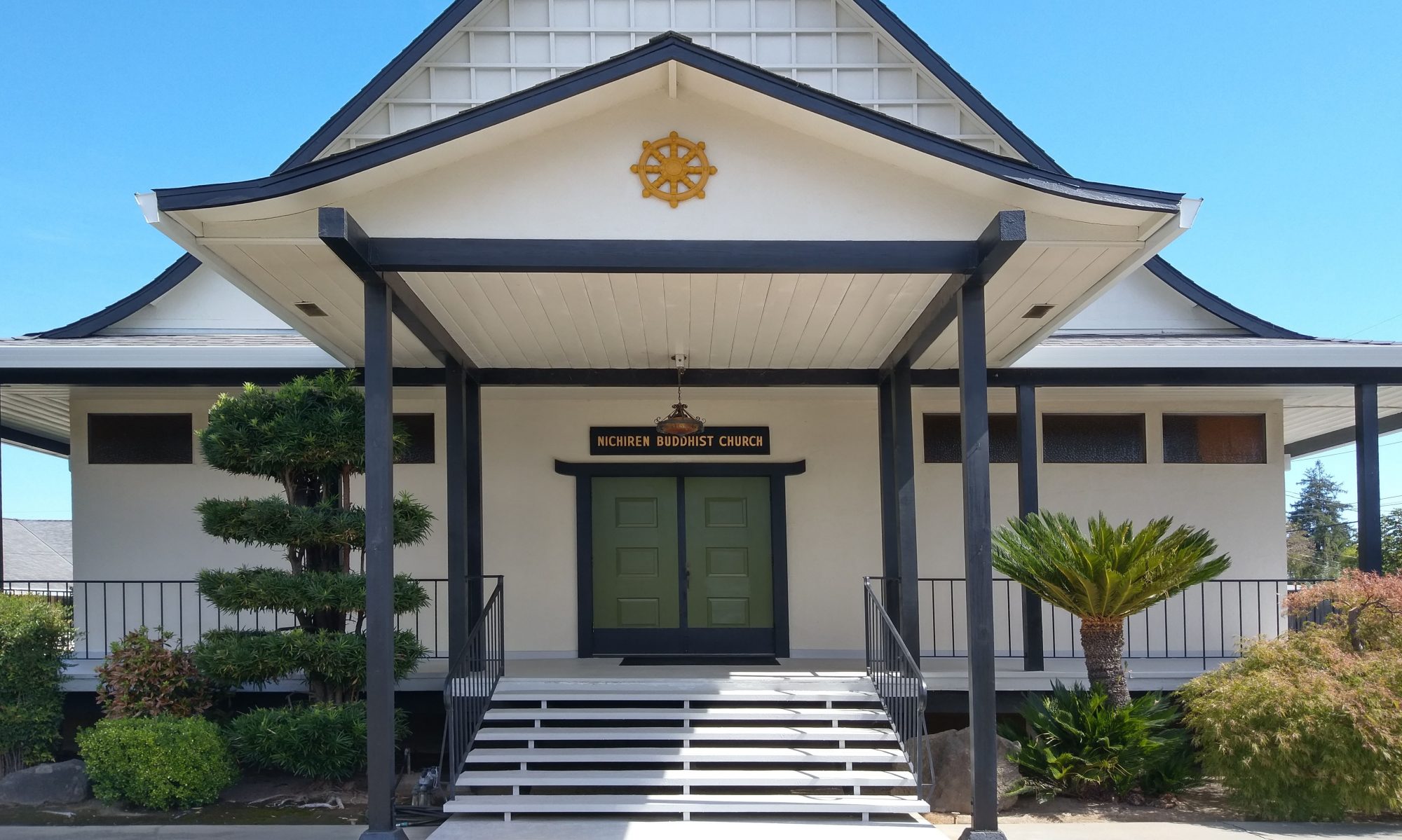
I am sure I am not the only one surprised at how quickly 2025 has flown by. With the end of the year approaching, it is also the time to start thinking about all the tasks we need to complete before beginning the new year. As many of you know, in Japan, one of the year-end traditions is the comprehensive and intensive cleaning before the New Year. While this usually refers to our homes, it can also include public spaces such as parks and community centers. Of course, we will also hold our annual end-of-the-year cleaning of the Church in late December.
However, regardless of the end-of-the-year cleaning, I make it a point to maintain all aspects of the property regularly throughout the year. As many of you may know, I have made it my weekly commitment to care for the property grounds, including mowing the grass, pruning the trees, raking the leaves, and general cleaning. Only recently did I realize that there are over forty trees, shrubs, and bushes on the Church property! It is a responsibility that I have carried out consistently since becoming the head minister of the Sacramento Nichiren Buddhist Church. One of my reasons for doing this is to make sure that the Church remains a place where everyone who visits can feel at peace and devote themselves fully to their practice.
As I reflect on this weekly commitment of mine, I realize now that in the beginning, I focused primarily on appearance. For example, I made sure that all the dead leaves and debris were collected, the lawn was mowed to a uniform length, and all branches that disrupted the shape of the shrubs and trees were trimmed. However, soon after, I noticed that I would find myself continuously raking up large piles of dead leaves and debris that kept accumulating under each shrub and bush week after week. I decided to take a closer look inside the shrubs and discovered dense inner branches that hindered growth and collected debris. It became clear to me that proper maintenance required pruning not just the surface, but also removing what was hidden within, allowing the plants to breathe, grow, and remain healthy. Much of the debris that accumulates within these shrubs is beyond our control the result of natural forces like wind and rain. Yet it is still possible to minimize this buildup by removing the inner branches and water sprouts. Since then, I have made it a habit to carefully prune these inner branches, even when it means cutting what appears to be a healthy branch. This selective pruning is essential for the plant’s overall health and continued growth.
This idea can also be applied to our Buddhist practice. As I mentioned earlier, every time we practice and accumulate benefits, we are also “cleaning” our spirit. Imagine our spirit as the shrub I described earlier. Each time we practice, we trim the outer branches, shaping the shrub and refining its form. However, to truly purify our spirit, we must also look within – pruning from the inside by examining ourselves more deeply and releasing what blocks our progress. This can be difficult, because just as pruning sometimes requires cutting even healthy branches so that a tree may flourish, true spiritual maintenance demands more than surface care. Our regular practice alone is sometimes not enough. In the same way that debris beyond our control can build up inside a shrub, no matter how diligently we practice or how pure we may feel, simply living in this world causes us to unknowingly accumulate impurities and karma through our six senses.
In the same way that we can carefully prune the inner branches and remove debris from within a shrub, there are also ways to purify the deeper, more hidden regions of our spirit. In Buddhism, we speak of the need to purify our six senses (rokkon shōjō). Although there are many ways to do this, one important method is through purification services (kitō), which help us remove the inner “branches” within our spirit that block growth and clarity. When we think of kitō, many people associate it primarily with wishes or requests – for example, recovery from illness, personal happiness, or success in life. While these intentions are natural, they represent only one layer of its meaning. Every person carries some form of suffering, and it is natural to wish for relief. Yet, when we focus only on escaping suffering, it can become difficult to fully concentrate on our practice. The true purpose of kitō is not simply to grant wishes, but to help us uncover and address the root causes of our suffering the inner obstacles that we cannot easily remove on our own. In this way, kitō serves as a form of deep spiritual pruning, helping us cleanse what lies within and restore clarity to the heart.
As we prepare to close this year, I hope each of us can take a moment to look within – to clear away what has accumulated and to begin the new year refreshed. I hope that through continued practice and the power of purification, we can continue to nurture clarity within ourselves and in the world around us.
Ven. Kenjo Igarashi
November / December 2025