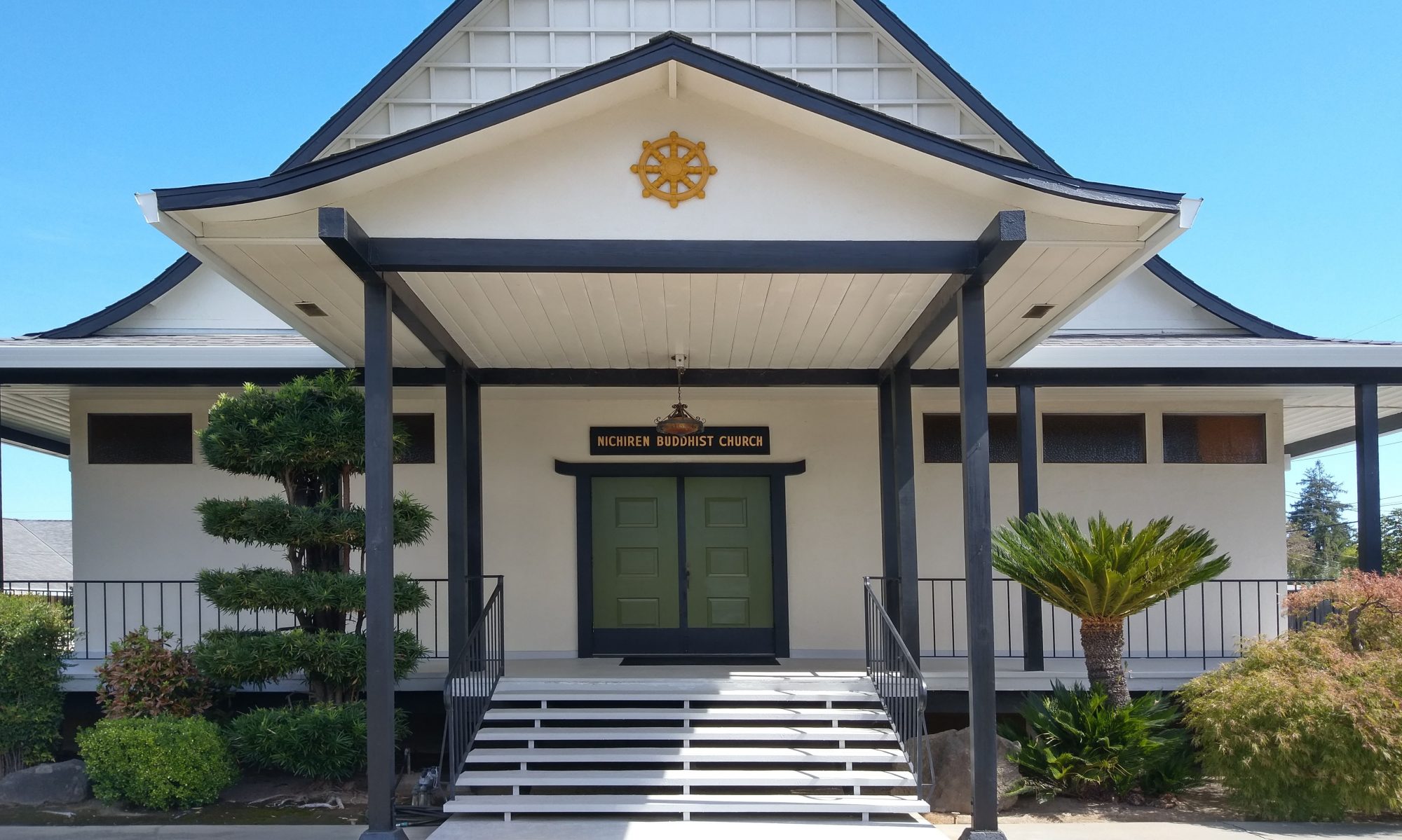
Part Three: Sacramento Nichiren Buddhist Church
By 1989, I had become accustomed to traveling each month to Los Angeles to conduct services for the members of the Shintokal while also holding services for the elderly members in San Francisco (SF). In April of that year, Rev. Joyo Ogawa, the head minister of the Sacramento Nichiren Buddhist Church, informed me that he would be leaving to serve in Hawaii and that I would become the next head minister. I was also told that the Sacramento members might not agree to me continuing my responsibilities to the Shintokai and the SF members. Since I felt a responsibility to continue supporting both groups in their practice, I initially declined. However, after discussing the situation with the Sacramento members, they graciously accepted these conditions and welcomed me. Their understanding and kindness made it possible for me to continue serving all three communities.
In August 1989, I became the head minister of the Sacramento Nichiren Buddhist Church. For the first time since coming to the United States, I was to serve in a traditional temple environment. In addition to my daily responsibilities, including cleaning the temple and caring for the temple grounds, I also worked alongside the temple community in preparing for the annual bazaar among other activities. These experiences became another form of training for me.
There is much about my years in Sacramento for which I remain deeply grateful. However, the greatest joy I experienced was something that had been so difficult to do throughout my years in the US. I could finally chant the sutra in the temple every day, whenever and for however long I wished. From the moment I became a minister, my master repeatedly taught me that one of my most important responsibilities was to chant the sutra every day. During my Aragyo training, I received the same instruction: chant the sutra as much as possible. However, my years in the US had proven this to be very difficult. I had struggled not only to find places where the Shintokai and the SF members could continue their practice, but even to find a place where I could chant the sutra without disturbing others. As I mentioned before, simply chanting in a normal speaking voice would result in complaints from neighbors. Although I continued chanting every day, I always felt dissatisfied that I was unable to fully practice in the way I had been taught.
In Sacramento, I finally had a place where I could chant the sutra freely. However, I do remember one morning when I was chanting the Odaimoku while striking the drum before sunrise. Later that day, a nearby resident called the temple to complain about the noise. Since then, I have no longer used the drum during my morning practice, but continue to chant the sutra every day, as much and for as long as my heart desires. To many people this may seem like a small thing, but to me it brought tremendous happiness.
Through my experiences in the US, I came to realize that one of the greatest privileges I have experienced is simply being able to chant the sutra each day without concern. My years with the Shintokai and the SF members taught me that the opportunity to chant the sutra should never be taken for granted. For the past 37 years, each morning and afternoon as I make my way to the temple to chant the sutra, I have felt a deep sense of gratitude for the privilege of being able to practice freely.
Some people may think that chanting the sutra is merely an act of self-satisfaction. My own experience has taught me otherwise. The benefits we receive through sincere practice are like seeds planted within our hearts. Chanting the sutra and the Odaimoku provides the water, sunlight, and nourishment that allow those seeds to grow. Even if the seed is present, it must still be cared for if it is to flourish. Unlike material possessions, these benefits can never be lost. Money may be spent, misplaced, or even stolen. The merits cultivated through sincere practice, however, remain with us throughout our lives as a lasting treasure within our hearts that no one can ever take away.
I have experienced the many benefits that come from chanting the sutra. For this reason, I encourage everyone to chant the Odaimoku whenever time permits. There is no need to chant excessively. Even a few moments of sincere practice each day, done quietly and with a peaceful mind, have great meaning. By continuing this practice, I am certain that there will come a time when you, too, will experience these benefits for yourself.
As we enter the month of Obon and remember our ancestors, I hope many of you will take time to chant the sutra and the Odaimoku. Through this practice, I hope you will cultivate benefits not only for yourself but also dedicate those merits to your ancestors.
Ven. Kenjo Igarashi
July / August, 2026